
Views: 0 Author: Site Editor Publish Time: 2026-09-14 Origin: Site
An electric food chopper is best for quick, small-batch prep like mincing garlic, herbs, or nuts. A blender suits smoothies, soups, and liquid-heavy recipes. A meat mincer is built specifically for grinding meat for burgers or sausages. A multifunction food processor combines several of these tasks into one machine, making it the most versatile (but often bulkier) option.
Anyone who's stood in a crowded kitchen appliance aisle knows the confusion. Chopper, blender, mincer, processor — the names sound similar, but the machines behind them are built for very different jobs. Buying the wrong one means wasted counter space and a drawer full of unused attachments.
This guide breaks down what each appliance actually does, how their specs compare, and which one fits your cooking habits. Whether you're stocking a home kitchen or sourcing appliances for retail, understanding these differences will save you time, money, and a lot of trial and error.
An electric food chopper is a compact appliance designed for fast, small-scale chopping. Think onions, garlic, nuts, herbs, or hard cheese — anything that would normally take a knife and a cutting board, minus the tears and the time.
Take the YT-CP03 electric mini food chopper as an example. It runs on a 300W motor, paired with a 1.5L plastic bowl and a stainless steel double blade. The two-speed setting with a safety switch makes it simple to control texture, whether you want a rough chop or a fine mince.
Choose an electric food chopper if speed and simplicity matter more than volume. It's not meant for liquids or large batches — that's where a blender or processor takes over.
A blender is built for liquids and semi-liquids: smoothies, sauces, soups, and shakes. Where a chopper pulses solid ingredients into smaller pieces, a blender's blades and jar shape are designed to create a continuous vortex that fully liquefies contents.
The YT-4683 home electrical fruit table blender shows what a mid-range blender typically offers: a 500W motor, a 1.5L clear glass jar for family-size batches, plus a 600ml Tritan personal jar for single servings. It includes 5/3 speed settings with a pulse function, a stainless steel housing, and a safety micro-switch that prevents the motor from running unless the jar is locked in place.
Choose a blender if your kitchen routine leans toward drinks, purees, or batter-style recipes. If you're mostly chopping solids, a blender will feel like the wrong tool for the job — jars tend to clog with dry or fibrous ingredients.
A meat mincer (or meat grinder) is a specialized appliance, not a general-purpose one. It's designed to grind raw meat into consistent textures for burgers, sausages, or meatballs — a job that a chopper or blender simply isn't built to handle safely or effectively.
The YT-MG28 750W meat beef mincer illustrates the category well. It runs on 750W with a locking power of 1000W, and includes an on/off and reverse switch to clear jams without disassembling the unit. It comes with three cutting discs (coarse, medium, fine), a sausage maker attachment, a plastic food pusher, and an aluminum tray for feeding meat into the grinding chamber.
Choose a meat mincer if you regularly prepare meat at home or in a commercial setting and want control over fat content, texture, and freshness — something pre-packaged ground meat can't offer.
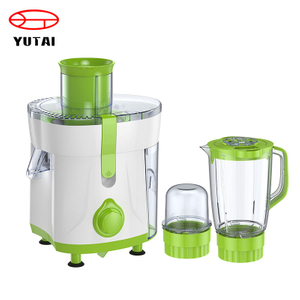
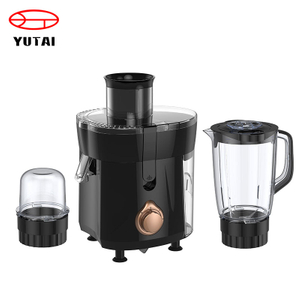
A multifunction food processor is the all-rounder of the group. Instead of one job, it typically handles chopping, slicing, shredding, and sometimes even light blending, using interchangeable attachments and a single motor base.
This versatility makes it appealing for anyone who wants to reduce how many appliances sit on their counter. The tradeoff is size and complexity — a food processor generally takes up more space and comes with more parts to clean than a dedicated chopper or mincer. For buyers who prep a wide range of ingredients regularly, though, the added functionality often justifies it.
Appliance | Best For | Typical Power | Key Features | Limitations |
|---|---|---|---|---|
Electric Food Chopper | Chopping herbs, nuts, garlic, cheese | 300W | Compact bowl, stainless double blade, two speeds | Not suited for liquids or large batches |
Electric Blender | Smoothies, soups, purees, shakes | 500W | Glass + personal jars, multiple speeds, pulse function | Struggles with dry or fibrous solids |
Meat Mincer | Grinding meat for burgers, sausages | 750W (1000W locking power) | Interchangeable discs, sausage attachment, reverse switch | Single-purpose, needs regular cleaning |
Multifunction Food Processor | Chopping, slicing, shredding, light blending | Varies by model | Multiple attachments, one motor base | Bulkier, more parts to maintain |

Pick your appliance based on what you cook most often, not what looks the most impressive on a shelf.
Choose an electric food chopper if you want a fast, low-maintenance tool for prepping small quantities of solid ingredients.
Choose an electric blender if smoothies, soups, or sauces are a regular part of your routine.
Choose a meat mincer if you prepare your own ground meat or sausages and want control over freshness and texture.
Choose a multifunction food processor if you'd rather have one versatile appliance that handles several prep tasks, even if it takes up more counter space.
For retailers and distributors, stocking a mix of these categories makes sense — different households and food businesses will lean toward different tools depending on their menu and volume needs.
Can an electric food chopper replace a food processor?
Not entirely. A chopper handles small chopping tasks well, but it lacks the slicing, shredding, and multi-attachment versatility of a food processor.
Is a meat mincer worth buying for home use?
Yes, if you regularly cook with ground meat. It lets you control fat ratio, freshness, and texture in a way pre-ground meat can't match.
What's the main difference between a blender and a food chopper?
A blender is designed for liquids and semi-liquids, using a vortex motion to fully liquefy ingredients. A food chopper uses a pulsing blade action suited to solid ingredients like herbs, nuts, and vegetables.
Do multifunction food processors take longer to clean?
Generally yes, since they come with multiple attachments and larger housings compared to single-purpose choppers or mincers.
Which appliance is best for a small kitchen with limited space?
An electric food chopper is usually the most compact option, making it a practical choice for smaller kitchens or minimal counter space.
The right appliance comes down to matching the machine to the task, not the other way around. An electric food chopper handles quick solid prep, a blender takes care of liquids, a meat mincer is built for grinding meat, and a multifunction food processor bridges several of these needs in one unit.
Understanding these distinctions upfront means fewer returns, less wasted counter space, and a kitchen — or product lineup — built around what actually gets used.