
Views: 0 Author: Site Editor Publish Time: 2026-10-26 Origin: Site
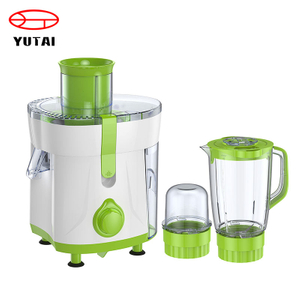
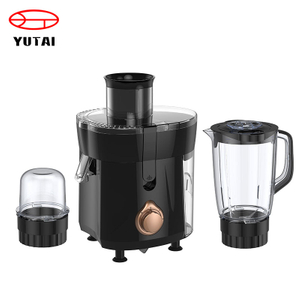
A table blender is a countertop kitchen appliance designed to blend, crush, and process fruits, vegetables, ice, and other ingredients using a motorized base and a jar. The best table blenders for commercial use combine stainless steel or reinforced housing, multiple speed settings, and motors ranging from 400W to 600W or higher. Buyers should match wattage, jar capacity, and build material to their intended use—light home blending versus heavy-duty commercial food processing.
Choosing a table blender sounds simple until you start comparing wattage, jar materials, and speed settings across dozens of models. Whether you're sourcing kitchen appliances for a retail line or outfitting a commercial kitchen, the differences between a basic blender and a true commercial food processor can affect everything from daily performance to long-term durability.
This guide breaks down what separates a reliable table blender from one that burns out after a few months, what to look for in a stainless steel blender, and how commercial-grade models stack up against standard kitchen units. We'll also walk through real specifications from popular blender models so you can see how these features translate into actual product performance.
A table blender, sometimes called a countertop blender, sits on a flat surface and uses a motorized base paired with a removable jar to blend ingredients. Unlike hand blenders, which are handheld and portable, table blenders offer greater stability, larger capacity, and typically more powerful motors.
Table blenders are a staple in both home kitchens and commercial settings. In commercial environments, they're often called upon to handle more frequent use, tougher ingredients like ice and frozen fruit, and extended run times—which is why build quality and motor strength matter more than they might for occasional home use.
Not every blender marketed for home kitchens can handle the demands of a commercial setting. When evaluating a kitchen appliances blender for business use, a few specifications consistently separate the reliable options from the rest.
Motor wattage is one of the clearest indicators of a blender's capability. Lower-powered units, such as 400W models, are generally built for everyday blending tasks like smoothies, sauces, and soft fruits. Higher-powered units—500W and above—handle tougher jobs like crushing ice or processing fibrous vegetables with less strain on the motor.
Speed settings also matter. A blender with only one speed limits control over texture, while models offering two, three, or more speeds (often paired with a pulse function) give operators more precision. Pulse functions are particularly useful for commercial kitchens that need quick bursts of power for chopping rather than continuous blending.
Jars typically come in plastic or glass, with capacities ranging from under a liter to 1.5 liters or more for commercial models. Glass jars tend to resist scratching and staining better over time, while plastic jars are lighter and more impact-resistant. Some models offer a clear glass jar as an upgrade option from a standard plastic jar, giving buyers flexibility based on budget and use case.
Housing material affects both durability and price point. Plastic housings are common in standard models, while injection-molded or chrome-finished housings add a bit more resilience and a premium look. For businesses sourcing blenders at scale, housing material can also influence shipping weight and overall unit cost.
The table below compares specifications across three commercial-grade table blender models, illustrating how wattage, jar type, and features vary even within similar product categories.
Feature | Model YT-4656 | Model YT-1851 | Model YT-1832 |
|---|---|---|---|
Motor Power | 500W (600W optional) | 400W | 400W |
Speed Settings | Three speeds | Two speeds with pulse function | Three speeds with pulse function |
Voltage | 110V/220V, 50/60Hz | 110V/220V, 50/60Hz | 110V/220V, 50/60Hz |
Jar Capacity | 1.25L glass jar | 1.5L plastic jar (clear glass optional) | 1.5L plastic jar (clear glass optional) |
Housing | Injection color or chrome finish | Plastic | Plastic |
Extra Features | Ice-crushed blade, anti-slip rubber feet | Filter optional, chopper optional | Different jar optional, filter optional, chopper optional |
Certifications | CE, CB, CSA, EMC, EMF, ETL, GS, LFGB, RoHS, SASO, UL, UR | CE, CB, CSA, EMC, EMF, ETL, GS, LFGB, RoHS, SASO, UL, UR | CE, CB, CSA, EMC, EMF, ETL, GS, LFGB, RoHS, SASO, UL, UR |
As the table shows, higher wattage doesn't always come paired with the largest jar or the most speed options. Buyers should prioritize the specification that matters most for their use case—whether that's raw power, jar versatility, or control over blending speed—rather than assuming one model is universally "better" than another.
Not quite. While a commercial food processor and a commercial blender share some overlapping functions, they're built for different primary tasks. A food processor typically excels at chopping, slicing, shredding, and kneading dough, using interchangeable blades and discs. A commercial blender, by contrast, is optimized for liquefying and pureeing—think smoothies, soups, and sauces.
That said, many modern table blenders now include optional attachments like choppers or grinders, blurring the line between the two categories. If a business needs both functions, it's worth looking for a blender model that explicitly offers chopper or grinder attachments as optional add-ons, rather than purchasing two separate machines.
Choose a dedicated food processor if your primary tasks involve chopping, shredding, or dough preparation. Choose a commercial blender if your main need is liquefying ingredients into smoothies, juices, or purees.
Stainless steel blenders offer a few practical advantages over plastic-housed models, particularly in commercial or high-traffic environments. Stainless steel resists scratching, staining, and heat damage better than plastic, which can matter in kitchens running multiple blending cycles per day. It also tends to project a more premium, professional appearance—something worth considering for front-of-house commercial use, like smoothie bars or juice counters.
That said, stainless steel housing often adds to both the weight and cost of a unit. For businesses prioritizing budget and lighter shipping weight, a well-built plastic or chrome-finished housing may offer sufficient durability without the added expense.
Selecting the right table blender comes down to matching specifications to actual use. A 400W model with two speeds and a pulse function may be perfectly adequate for light commercial use, like blending smoothies at a café. A business running a high-volume juice bar, however, will likely benefit from a 500W or higher motor paired with a sturdier housing and ice-crushing capability.
Before finalizing a purchase or sourcing decision, compare wattage, jar capacity, housing material, and included certifications side by side—just as outlined in the table above. These details, not marketing language, are what determine how a blender will actually perform once it's running several times a day in a real kitchen.

What wattage should a commercial table blender have?
Commercial table blenders generally range from 400W to 600W. Lighter commercial use, such as smoothies or soft fruit blending, can be handled by 400W models, while crushing ice or processing tougher ingredients benefits from 500W or higher.
How is a table blender different from a commercial food processor?
A table blender is designed primarily for liquefying ingredients into smoothies, purees, and sauces, while a commercial food processor focuses on chopping, slicing, and shredding using interchangeable blades and discs.
Are stainless steel blenders worth the extra cost?
Stainless steel blenders offer better scratch and stain resistance along with a more durable, professional appearance, making them a good fit for high-traffic commercial settings. Budget-conscious buyers may still find plastic or chrome-finished housings sufficiently durable for lighter use.
What jar capacity is best for commercial use?
Jar capacities of 1.25L to 1.5L are common among commercial table blenders. Larger capacities reduce the need for frequent refilling during high-volume service, though they may also increase the unit's overall footprint and weight.
Do commercial blenders come with safety certifications?
Many commercial-grade table blenders carry certifications such as CE, CB, RoHS, and UL, among others. Checking for relevant certifications is particularly important for businesses sourcing appliances for international markets or regulated environments.