
Views: 0 Author: Site Editor Publish Time: 2026-10-20 Origin: Site
A commercial smoothie blender needs a powerful motor (typically 1,000–3,000 watts), a durable jar (polycarbonate or stainless steel), and controls built for repeated, heavy-duty use. Stainless steel blenders add extra durability and a professional look, making them a strong choice for cafés, juice bars, and restaurants that need equipment to withstand daily high-volume blending.
If you've ever watched a home blender struggle to crush ice for a single smoothie, you can imagine what happens when a café tries to make forty of them before lunch. Commercial kitchens need equipment that doesn't quit, and that's exactly where a purpose-built commercial smoothie blender earns its keep.
Choosing the right one isn't just about horsepower, though that matters a lot. It's about matching the blender's build, capacity, and control system to how your business actually operates. A juice bar blending fruit and ice all day has different needs than a smoothie truck working off a generator, or a hotel breakfast bar making the occasional specialty drink.
This guide breaks down what separates a true commercial blender from a glorified home appliance, why stainless steel construction matters more than most buyers realize, and how to match blender features to your specific volume and menu.
A commercial smoothie blender is built to run for hours at a time, blend tough ingredients like ice and frozen fruit without burning out, and survive the wear of being used dozens or hundreds of times a day. The defining differences from a consumer blender come down to three things: motor strength, build materials, and control design.
Commercial blenders typically run motors between 1,000 and 3,000 watts, compared to the 300–600 watts found in most home blenders. That extra power lets the blades maintain speed even when the jar is packed with ice, frozen fruit, or thick bases like yogurt and nut butter. Many commercial models also include variable speed settings or pulse functions, which give staff more control over texture — useful when a menu includes both silky smoothies and chunkier frozen drinks.
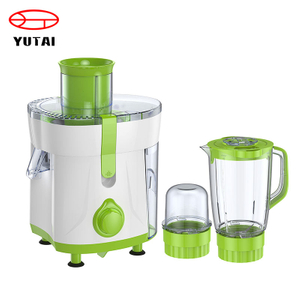
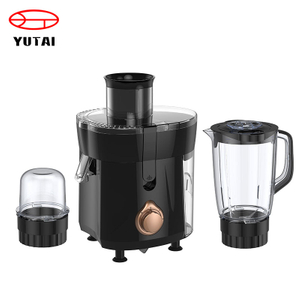
Jars are usually made from polycarbonate (a shatter-resistant plastic) or stainless steel. Polycarbonate is lighter and lets staff see the blending process, which helps with consistency. Stainless steel jars are heavier-duty, resist staining and odor absorption, and tend to hold up better under constant use. Capacity matters too: a 1.5-liter jar, for example, is a common size for high-volume smoothie production, letting staff blend larger batches at once instead of running the machine back-to-back for single servings.
Commercial units are generally built with reinforced bases, sealed buttons or dials (to handle spills and cleaning), and housings designed to dissipate heat during long runs. Many also include timers or pre-programmed settings, which reduce the guesswork for staff during busy rushes.
Stainless steel blenders — whether the jar, the base, or both — bring a few practical advantages over plastic or painted housings:
Durability: Stainless steel resists dents, cracks, and wear far better than polycarbonate or painted plastic, which matters in a kitchen where equipment gets knocked around daily.
Hygiene: Stainless steel is non-porous and doesn't absorb odors or stains the way some plastics can over time, which supports easier cleaning and food safety compliance.
Heat and impact resistance: A stainless steel jar or body holds up better against the friction and heat generated by constant blending of ice and frozen ingredients.
Professional appearance: For businesses with an open kitchen or counter-facing blending station, stainless steel often gives a cleaner, more polished look than plastic housings.
The tradeoff is that stainless steel jars are usually not transparent, so staff can't visually check consistency mid-blend the way they can with a clear jar. Some models address this by using a stainless steel body with a polycarbonate jar, combining durability with visibility.
Feature | Standard Commercial Blender (Polycarbonate Jar) | Stainless Steel Commercial Blender | Compact Bar Blender |
|---|---|---|---|
Typical motor power | 1,000–2,000 watts | 1,500–3,000 watts | 500–1,200 watts |
Jar material | Polycarbonate | Stainless steel (jar and/or base) | Polycarbonate or glass |
Best for | High-volume smoothie shops, juice bars | Busy kitchens needing extra durability | Low-to-mid volume bars, cafés |
Visibility during blending | High (clear jar) | Low to none (opaque jar) | High |
Durability | Good | Excellent | Moderate |
Typical capacity | 1.5–2 liters | 1–2 liters | 0.5–1.5 liters |
Cleaning | Easy, dishwasher-safe in most cases | Very easy, resists staining/odor | Easy |
This comparison is meant as a general framework. Actual specs vary by manufacturer and model, so always check the manufacturer's listed wattage, capacity, and warranty before buying.
Choose based on your blending volume, menu complexity, and kitchen setup:
High-volume smoothie or juice bars should prioritize motor power (1,500+ watts) and larger jar capacity to reduce the number of batches needed during rushes.
Businesses with limited counter visibility needs — like a back-of-house prep station — can benefit from the added durability of a stainless steel jar, since staff don't need to watch the blend in progress.
Lower-volume operations, like small cafés or hotel breakfast stations, may do fine with a compact bar blender that costs less upfront and still handles moderate daily use.
Kitchens focused on hygiene and long-term durability should lean toward stainless steel components, particularly if the blender will run multiple times per hour, every day.
A commercial smoothie blender is one of those pieces of equipment where upfront cost pays off in reliability. Cutting corners with underpowered or flimsy equipment usually means more breakdowns, more replacement costs, and slower service during your busiest hours.
Before buying, make a short list of your actual daily blending volume, the toughest ingredients your menu requires (frozen fruit, ice, nut butters), and how much counter space and visibility you need during service. Matching those answers to motor power, jar material, and capacity will do more for your decision than any single spec sheet.

How much does a commercial smoothie blender typically cost?
Prices vary widely based on motor power, build quality, and brand, ranging from a few hundred dollars for compact bar blenders to well over a thousand dollars for heavy-duty, high-wattage models built for continuous commercial use.
Are stainless steel blenders harder to clean than plastic ones?
No — stainless steel is generally easier to keep clean over time since it resists staining and odor absorption better than some plastics, though it doesn't allow staff to see the blend in progress.
How long should a commercial blender last with daily use?
With proper maintenance, a well-built commercial blender can last several years even under daily high-volume use, though lifespan depends heavily on motor quality and how consistently the manufacturer's usage guidelines are followed.
What's the difference between a commercial blender and a bar blender?
Bar blenders are generally lower-powered and designed for moderate drink volume, while full commercial blenders are built for sustained, high-frequency use with stronger motors and more durable components.
Can a stainless steel blender replace a standard commercial blender entirely?
It depends on your needs — if visual monitoring during blending matters for your workflow, a polycarbonate jar may be preferable, but if durability and hygiene are the priority, a stainless steel model is often the better long-term choice.