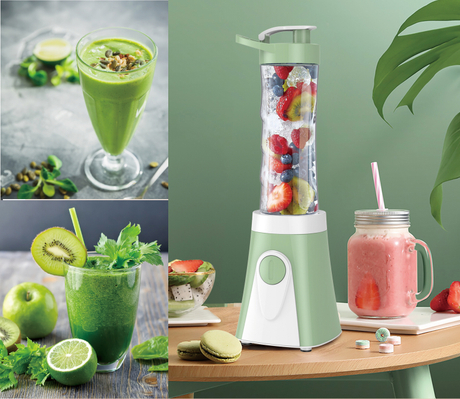

Views: 0 Author: Site Editor Publish Time: 2026-02-25 Origin: Site
Your morning smoothie shouldn't keep you tied to the kitchen. Portable blenders have revolutionized how health-conscious individuals prepare fresh drinks on the go, offering convenience without sacrificing quality. But with so many options available, how do you know which features matter most?
A portable juice blender fits seamlessly into busy schedules, whether you're commuting to work, heading to the gym, or traveling. These compact devices pack surprising power into palm-sized packages, making it easier than ever to maintain healthy habits regardless of where life takes you. Unlike traditional countertop models, portable blender juicers prioritize mobility while delivering smooth, consistent results.
This guide answers the most common questions about portable blenders, helping you understand what makes them essential for modern living and how to choose the right one for your needs.
Portable blenders are specifically engineered for mobility and convenience. They typically feature rechargeable USB batteries, eliminating the need for wall outlets and making them perfect for travel, office use, or outdoor activities. Most models weigh less than two pounds and fit easily into backpacks or gym bags.
The key differences include:
Rechargeable power source: USB charging capability means you can power up anywhere—in your car, at your desk, or using a power bank.
Compact design: Smaller motors and streamlined construction make them highly portable without compromising blending performance.
Multi-purpose containers: The blending jar often doubles as a drinking bottle, reducing cleanup and waste.
Safety features: Most portable models include automatic shut-off mechanisms and won't operate unless the lid is properly secured.
Power requirements vary based on your intended use. Most portable blenders operate between 50-150 watts, which is sufficient for soft fruits, leafy greens, and liquids. The Personal Rechargeable High Power 1000ml Big Capacity Sports Juicer operates at 80 watts with a robust 3000mAh battery, striking an ideal balance between power and portability.
Usage Type | Recommended Wattage | Best For |
|---|---|---|
Light use (smoothies, shakes) | 50-80W | Soft fruits, yogurt, protein powder |
Medium use (frozen fruit) | 80-120W | Ice cubes, frozen berries, vegetables |
Heavy use (ice crushing) | 120-150W+ | Nut butters, thick mixtures, ice crushing |
Higher wattage doesn't always mean better results. Battery capacity matters equally—look for models with at least 2000mAh to ensure multiple uses between charges.
Container size directly impacts how much you can blend at once. Portable blenders typically range from 300ml to 1000ml.
Small capacity (300-450ml): Perfect for single servings of protein shakes or quick juice blends. These ultra-compact models fit easily in cup holders and small bags.
Medium capacity (500-600ml): The sweet spot for most users. Enough volume for a full breakfast smoothie or post-workout recovery drink.
Large capacity (800-1000ml): Ideal if you're preparing drinks for multiple servings or want to blend larger quantities. The 1000ml capacity offers flexibility for those who meal prep or share with family members.
Consider your typical serving size and whether you'll prepare drinks for others. Larger containers also mean you can add ice and still have plenty of room for ingredients.
Quality portable blenders can withstand daily use when properly maintained. Key durability factors include:
Blade material: Stainless steel blades resist corrosion and maintain sharpness through hundreds of blending cycles. Four-blade designs distribute force more evenly, reducing motor strain.
Container construction: BPA-free plastic containers balance durability with light weight. Look for thick-walled designs that resist cracking and clouding over time.
Motor protection: Quality models include thermal protection that prevents overheating during extended blending sessions.
Warranty coverage: A one-year warranty indicates manufacturer confidence in build quality. This protection covers defects in materials and workmanship.
Most portable blenders last 1-3 years with regular use. Proper care—such as immediate cleaning after use and avoiding overfilling—significantly extends lifespan.
Many modern portable blenders can process ice and frozen fruit, though capabilities vary. The effectiveness depends on three factors:
Motor power: Models with 80W or higher typically handle ice cubes and frozen berries without issue.
Blade design: Sharp, angled stainless steel blades cut through frozen ingredients more efficiently than dull or flat designs.
Container strength: Reinforced plastic containers withstand the stress of processing hard materials.
For best results with frozen ingredients:
Cut frozen fruit into smaller chunks before adding
Add liquid first to help ingredients move freely
Pulse rather than running continuously
Limit ice to 3-4 small cubes per blend

Battery life varies based on capacity and usage patterns. A 3000mAh battery typically provides:
15-20 blending cycles of 40-60 seconds each
Full charge time of 3-4 hours via USB
Standby time of several weeks when not in use
To maximize battery life:
Charge fully before first use
Avoid letting the battery drain completely
Store at room temperature when not in use
Recharge every 2-3 months if storing long-term
USB charging offers tremendous flexibility. You can recharge using laptop USB ports, car chargers, portable power banks, or wall adapters, making it nearly impossible to be caught without power.
When comparing portable blender juicers, focus on features that match your lifestyle:
Essential features:
USB rechargeable battery (2000mAh minimum)
BPA-free materials for food safety
Leak-proof lid design
Easy-clean construction
Safety lock mechanism
Valuable additions:
Large capacity (800ml+) for meal prep flexibility
Multiple speed settings for different ingredients
LED battery indicator
Anti-slip rubber base
Carrying handle or strap
Nice-to-have extras:
Recipe booklet or app integration
Multiple color options to match personal style
Travel pouch for protection
Spare blade assembly
Proper cleaning ensures optimal performance and hygiene:
After each use:
Rinse immediately with warm water
Add a drop of dish soap and water
Pulse for 10-15 seconds for self-cleaning
Rinse thoroughly and air dry
Weekly deep clean:
Disassemble removable parts
Wash with warm soapy water
Use a soft brush for blade area
Check rubber seals for residue
Never submerge the motor base in water. Wipe it with a damp cloth instead. Most containers and lids are dishwasher-safe (top rack only), but hand washing extends their lifespan.
A portable juice blender makes sense if you:
Prepare fresh drinks away from home regularly
Want to maintain healthy habits while traveling
Need convenient portion control
Prefer to blend and drink from the same container
Exercise regularly and need post-workout nutrition
The investment pays off through:
Cost savings: Homemade smoothies cost 70-80% less than store-bought options
Nutritional control: You choose exactly what goes in
Time efficiency: No need to transfer between containers
Consistency: Maintaining healthy routines becomes easier
High-quality portable blenders typically range from $25-60. Mid-range models around $35-45 offer the best balance of features, durability, and performance for most users.
Portable blenders have become essential tools for health-conscious individuals who refuse to compromise on nutrition despite busy schedules. The right portable juice blender transforms how you approach meal preparation, making it possible to enjoy fresh, nutritious drinks wherever life takes you.
When choosing your portable blender juicer, prioritize battery capacity, container size, and build quality over trendy features. A well-chosen model will serve you reliably for years, supporting your wellness goals one smoothie at a time.
Explore options like the 1000ml high-capacity sports juicer that combines power, portability, and practicality in one convenient package. Your journey to easier, healthier living starts with the right tools.